More than one would think, the way the weather is in Uluru from one season to the next is of consequence. The short version for a good many travellers is that you will be most comfortable in the period from late autumn into early spring, May to August being prime examples; the days are milder, a walk is less of an effort and you can make better use of the official Parks Australia information for Uluru-Kata Tjuṯa National Park without the summer heat getting in the way. Then again, when it comes to putting a date on your visit to Uluru, you have to decide what is important to you: long walks in the day, cool mornings, value for money, stormy skies or simply not having to put up with the hordes.
I am Dominic Baker. One has to learn after a while in the travel and events business that weather has a way of making a mess of a well laid plan, quicker than a speaker who has forgotten his slide deck. Uluru (Ayers Rock) is in the Red Centre and its climate is as dry and extreme as it is poorly understood. Folks will have an idea of unending heat but are taken aback by the UV index, the cold at night and the fact that a heatwave or park closure can put paid to your plans in a hurry.
An Overview Of The Uluru Climate
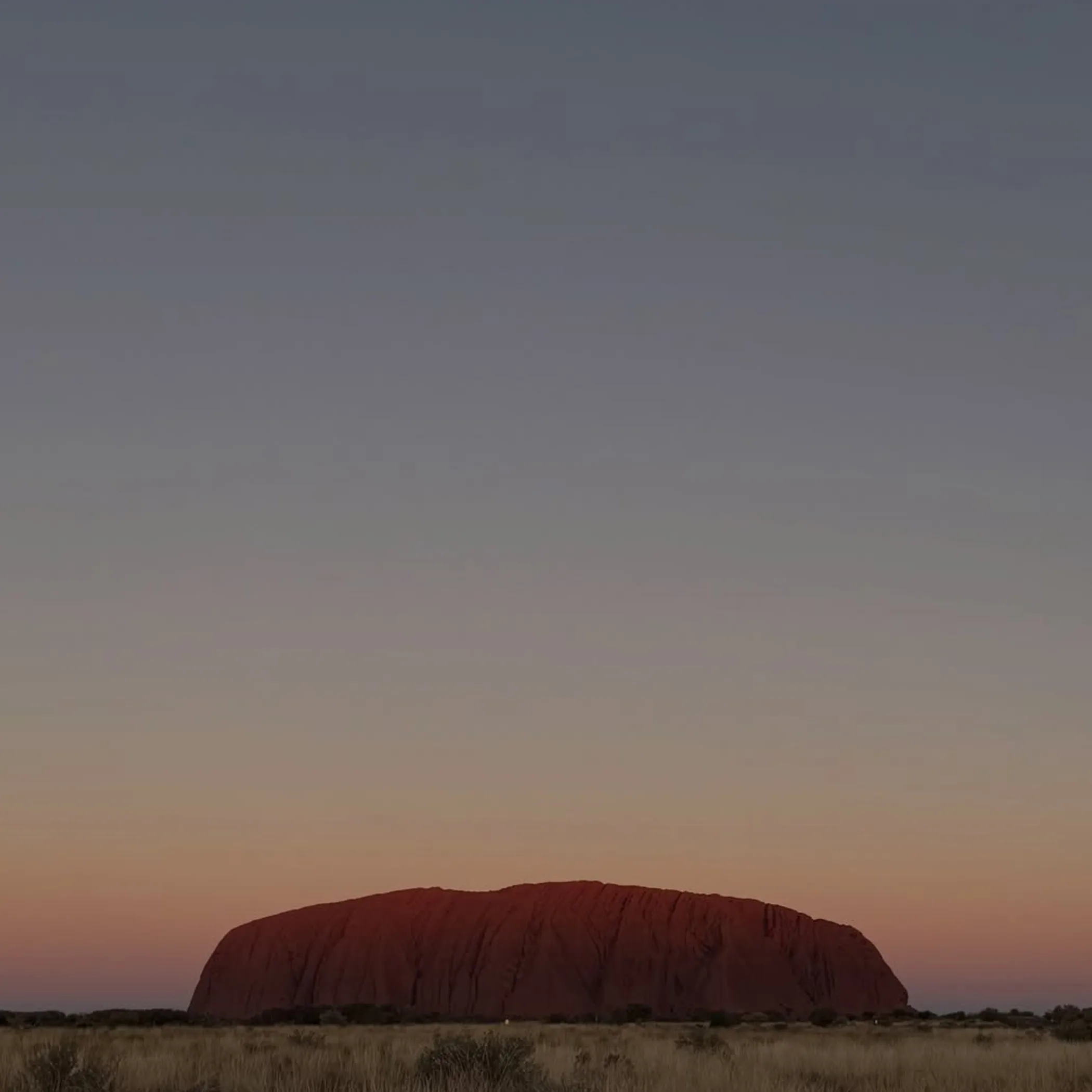
You might as well get a feel for the general run of things before booking your flights. It is desert country so expect hot summers and cool winters with little humidity for the most part and rainfall that is more apt to be dramatic and sudden than steady.
The dry season is what most will call it but central Australia is not the Top End. Rain and muggy spells do happen. For the optimal Uluru visit timing, what you should take on board is that the middle of the day in summer is no fun, winter is fine for sightseeing if you can stand the overnight chill and the shoulder months offer the best of both worlds.
How The Landscape Plays Into It
There are places to get out of the sun in Uluru-Kata Tjuṯa National Park but not in the quantities a first timer might suppose. Once the sun is up and moving over the open roads near Ayers Rock Resort or the walking tracks and viewing points for sunrise and sunset, you will feel it. Your forecast is as vital as what you have in your bag.
It is a mistake to think of one note heat in the desert. The weather at Ayers Rock has a habit of swinging from a warm afternoon to a nippy dawn. It will dictate your attire and how much water you put aside, and whether the kids are in good humour at lunch or not.
Trip Planning
For sheer comfort there is no better bet than the months of May through to August. You can start early and it is not so punishing, touring is more of a pleasure and for many that is the time to go.
But the “best” time is relative. Put up with some heat and you will find March, April, September and October to be very good if you are not keen on crowds. Summer has a certain mood to it if you want to see some sky and are prepared for the reality of it rather than what is in the brochure.
The Favourite Months
Many will tell you May and August are ideal. They are a good way to avoid the worst of the summer and the coldest of winter’s dawns. Whether it is a coach from Connellan Airport or a section of the base walk, things are simpler then. July is in vogue for the comfortable daytime but make sure you are kitted out for the evening. I have seen people come off an airport transfer in thongs and shorts with a smile on their face in the afternoon, only to be clutching a takeaway coffee at dawn the following morning like they needed it to live.
Some Caution Advised
One could do worse than to be circumspect in December, January and February. The sun is intense and you are looking at highs and heatwaves that are above the norm for a lot of visitors, to say nothing of storms. In the summer you may find your window for sightseeing narrows to something you have to get through in the middle of the day if you are only there for a day.
Not that you cannot go in summer. Just have some flexibility and plan on indoor breaks and plenty of water, and organise your day to be out with first light. A word to the wise: consult the Bureau of Meteorology and Parks Australia in advance. The state of things on the ground can put a damper on access, what the rangers have to say and whether you can book a tour.
Seasonal Conditions in a Nutshell
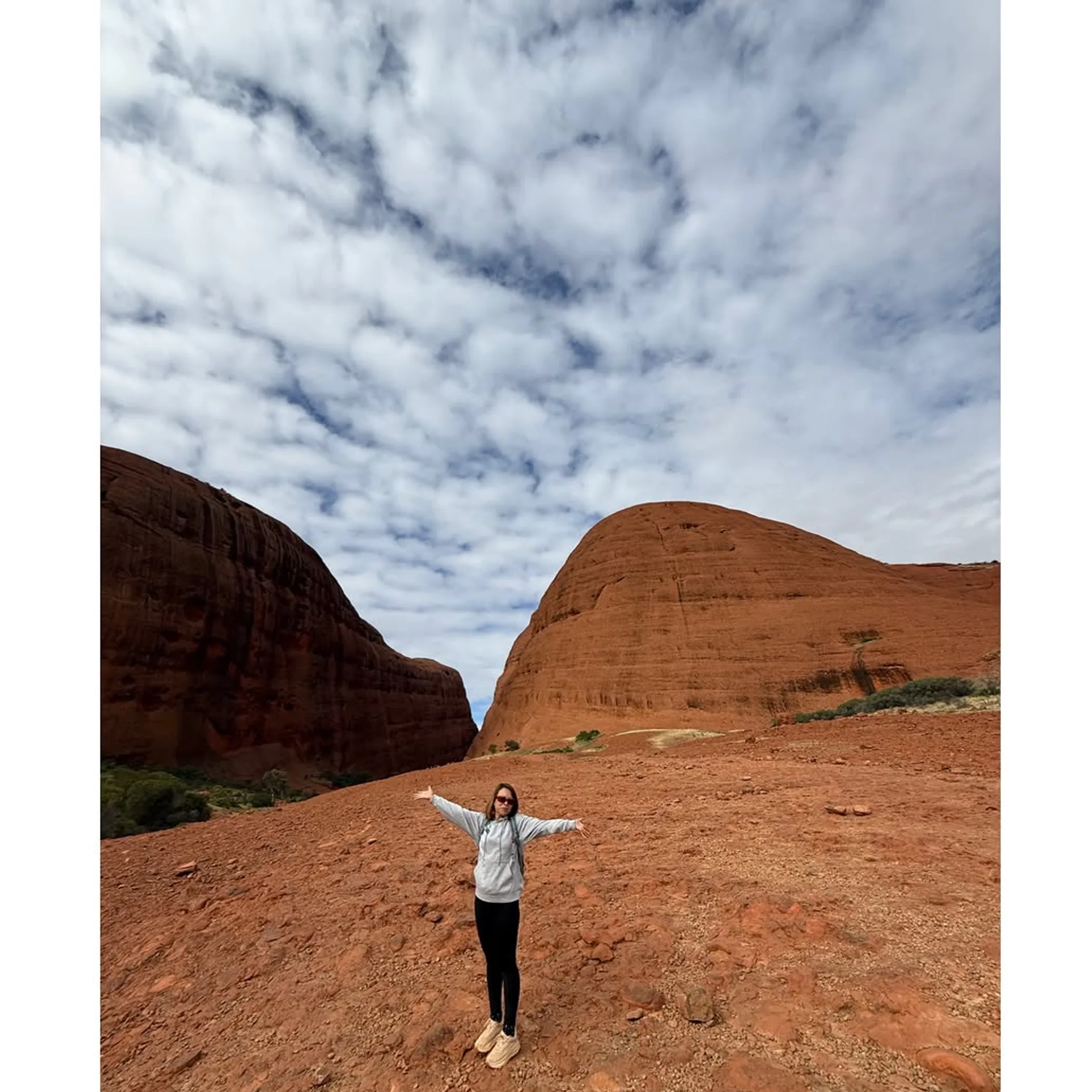
It is simpler to make sense of the monthly figures if one considers the Uluru seasons as a whole. There is a different quality to each season, be it red dust and a fine dawn or an afternoon storm and nights that run hot.
When it comes to nailing the optimal time for an Uluru visit, it is a matter of personal preference. A family, a photographer or an older traveller will put their own spin on the seasons, as will anyone with little tolerance for heat. No two are alike. You just have to see how the weather chimes with your budget, your energy and what you expect to get out of it.
The Red Centre in Summer
December through to February is summer. The days are very hot, the sun is strong and there are warm nights and thunderstorms to contend with. Humidity does not run as high as in the tropical north but by desert measure it can be sticky when a storm is in the offing.
Do not be fooled into thinking dry heat is of no consequence; combine it with UV and open country and it will have you flat on your back. A summer visitor has to be of a certain discipline, making early starts and being content to hole up indoors come the afternoon, perhaps scaling back on any outdoor ambitions.
Autumn Offers Some Balance
There is a lot to be said for visiting in autumn (March to May). The more trying heat tends to subside and a morning walk is nothing like as much of an ordeal as in midsummer. For most this is about as good as it gets for timing an Uluru trip.
I find autumn workable. One can put in a sunrise, a good long walk and some culture and still have the pep for a decent dinner instead of staring at one’s plate. In the bush that counts for something.
Easy Days in Winter
From June to August the daytime is at its coolest and most agreeable. It is the preferred time for walking and touring if you have no love of heat, though being a peak period you may find prices and availability less accommodating.
Then there are the cold nights and mornings to factor in. With average lows close to freezing it can be biting in the open before the sun is up. Plan on a few extra layers for a dawn camel ride or the sunrise platform, more than your ego would have you believe.
Spring Light And Warmth
Spring (September to November) is pleasant enough at first before the temperature climbs. Late spring will have you in serious heat again, but early on is fine for the active type. Being a shoulder period it has its value for those wanting to avoid the winter crowds while still getting the best of Uluru.
Photographers are drawn to the colour and light, but the warmth of the day can be insidious. It is the sort of season where you are quietly getting a sunburn through your T-shirt and telling yourself it was not so hot.
Month-By-Month
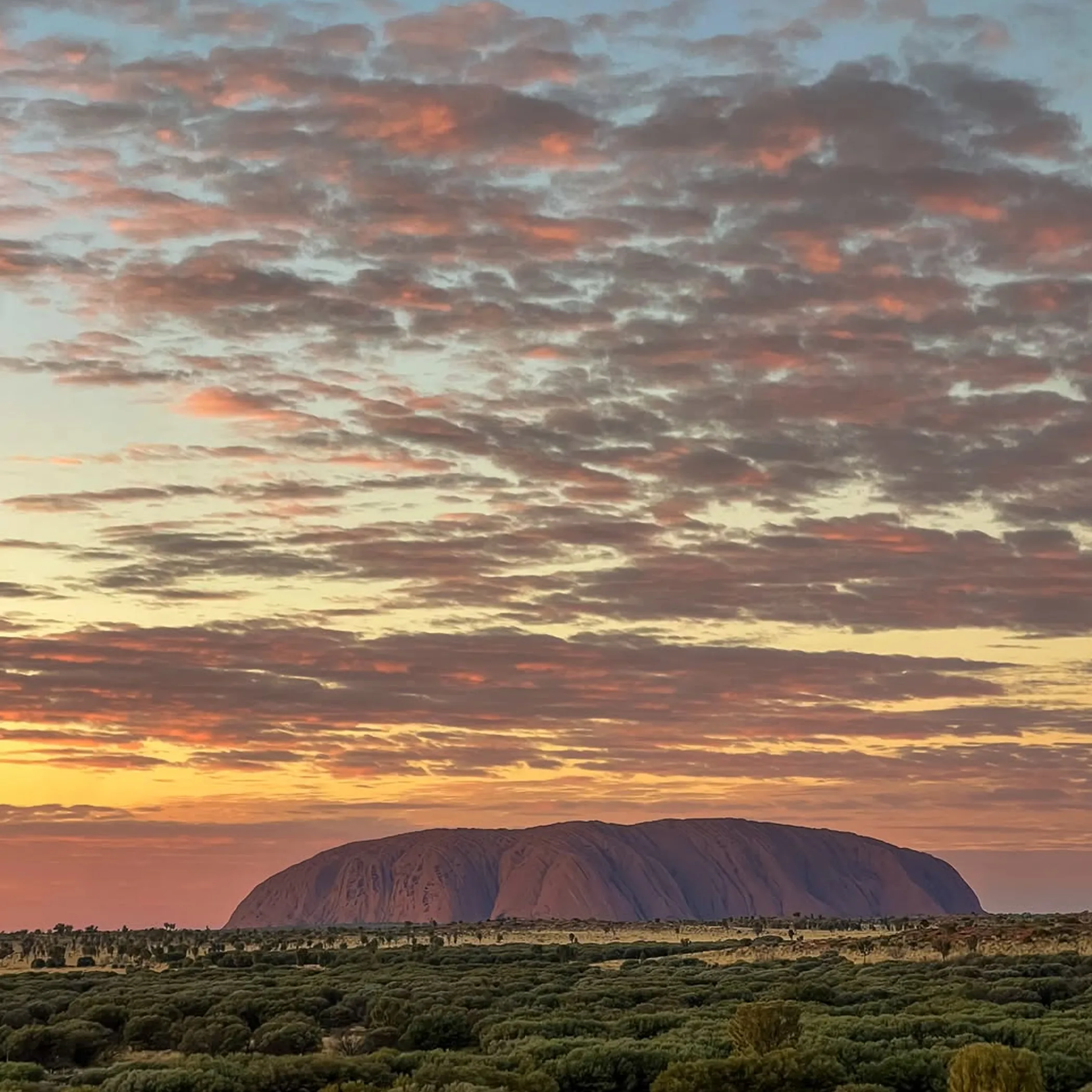
For a practical take on Uluru weather from December to November, the following should serve as a guide. They are based on averages and what is typical, but do not put too much stock in them; a desert forecast has a way of doing as it pleases.
Monthly numbers are useful for planning purposes but they will not inform you if your sunrise tour is to be in calm blue skies or under a storm. For your actual travel dates you will want to see what the BoM and the park have to say in the way of updates.
December to February
Properly hot in December. January is the worst of it and can be brutal after 10 o’clock. February is no cooler and storms are possible. Your air-conditioning will be your friend at midday and you will rely on the hours around sunrise and sunset. Unless you are pressed for time or money these are not the easiest months to make an optimal visit.
You will need to be an experienced outback hand for this, not someone who intends to wing it. If you are with small children or are prone to the heat, leave it to the hardy types.
March to May
Hot in March but it often starts to let up. April is an all-round good month in the eyes of many. By May you have comfortable days, cool evenings and fine conditions for a walk. A case could be made for this being the best time to be at Uluru.
Make it a one day trip and you are better off in April or May to tick off the base area, a cultural stop and the sunset without being cooked by 11.00 am.
June to August
Nights in June and July run cool to cold, the days are mild. By August there is a bit more warmth but it is still comfortable to be out of doors. It is a busy time at Ayers Rock Resort; expect tours to be booked up in advance for these high-demand months, premium dining and sunrise excursions in particular.
Then there is winter. A good number of visitors are taken aback by the dryness that gets to their lips, skin and airways. The desert air and cold of the morning will make you feel as though you have been sandpapered, not that it is anything dangerous.
September To November
A lovely month for the most part is September. October will put on some heat but you can cope with it if you are early about it. As for November, one is back to summer-like conditions and the prospect of an uncomfortably hot afternoon becomes a distinct possibility. For the best time to visit Uluru without the worst of summer, September is a safe bet.
In late spring people have a habit of underestimating how much water they need. The morning may be pleasant enough to set off in no hurry, only for the afternoon to prove less forgiving.
Average Temperatures And Rainfall
There is no point in guessing when the numbers are available. Below is a table of rounded average figures for the region’s temperature and rainfall by way of a practical guide. Do not expect exact readings from year to year or from the local conditions at Uluru (Ayers Rock) to be identical with what is reported in the vicinity.
The Bureau of Meteorology is where one should go for official and up to date information to plan on. Rely on averages for packing purposes, but let the forecast dictate your travel plans and timing for an optimal visit.
| Month | Average High | Average Low | Rainfall Mm |
| December | 37°C | 21°C | 40 mm |
| January | 38°C | 22°C | 45 mm |
| February | 36°C | 21°C | 35 mm |
| March | 33°C | 18°C | 30 mm |
| April | 28°C | 13°C | 20 mm |
| May | 23°C | 8°C | 15 mm |
| June | 20°C | 5°C | 10 mm |
| July | 20°C | 4°C | 10 mm |
| August | 23°C | 6°C | 10 mm |
| September | 27°C | 10°C | 15 mm |
| October | 31°C | 15°C | 20 mm |
| November | 35°C | 19°C | 30 mm |
The pattern is plain to see from these Uluru weather averages: December through February are the hottest, June and July the coolest of the day, and you will find the greatest variance between day and night in the cooler side of the year. Rain is not excessive but a summer storm can put a crimp in your plans.
Getting There Without Drama
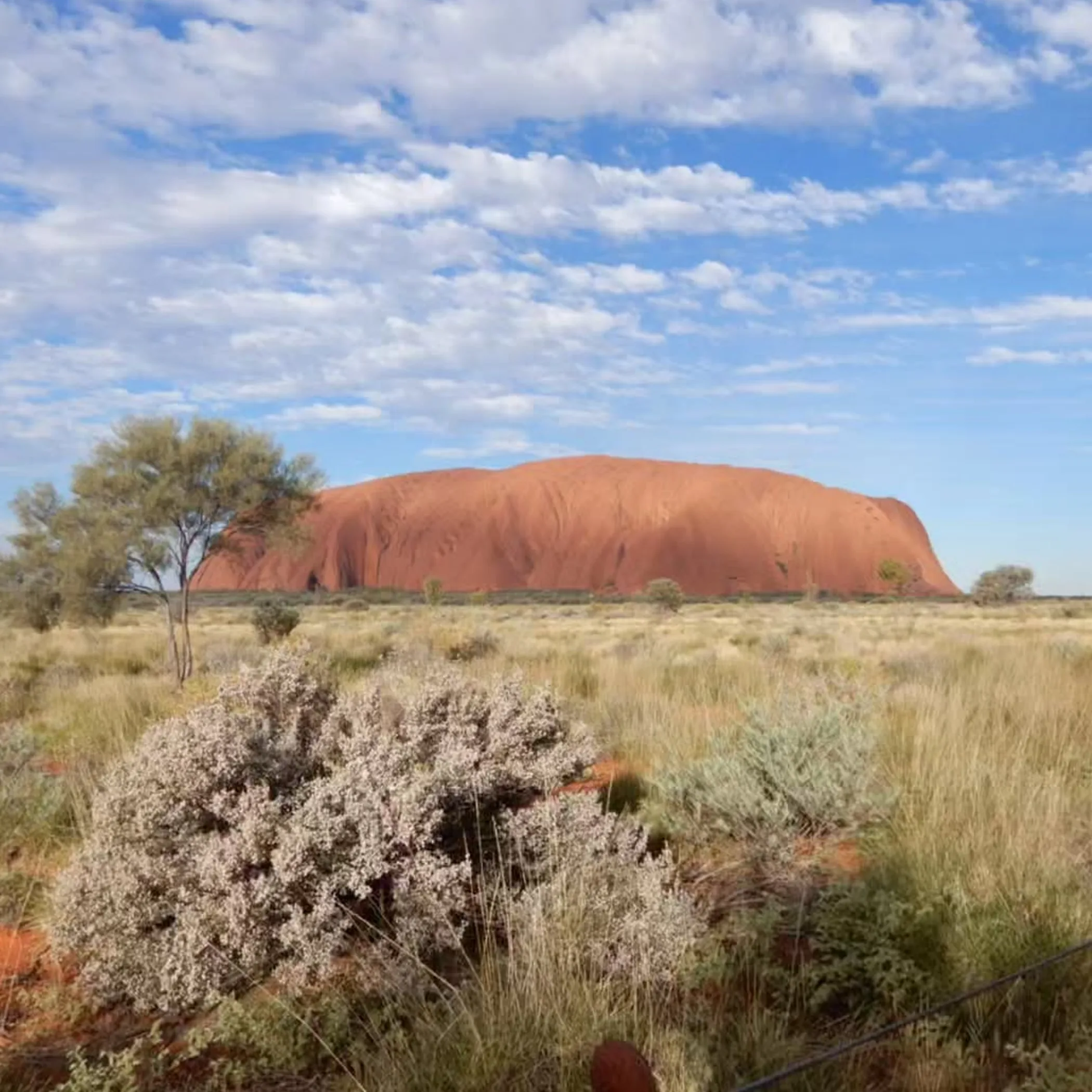
It is a matter of logistics as well as comfort. While many will drive from Alice Springs over the Stuart and Lasseter Highways, the majority put in via Ayers Rock Connellan Airport. On paper the Red Centre is all flat, but once you factor in the heat and fuel and photo opportunities the distance seems to stretch.
Allow proper margins. The 450 km or so from Alice Springs to Uluru is 4.5 to 5.5 hours in the car if you do not dawdle. In the warmer months you will want to be at your accommodation before the afternoon heat is at its height.
Transport And Access
The resort is the hub for accommodation and from where most shuttles and tours operate. Self-drivers have sealed road access to the national park and its parking and viewing spots. Check Parks Australia for any changes to entry requirements prior to leaving.
Do not think you can wing it once you are there. At peak times tour slots fill in and inclement weather can lead to modifications or cancellations of certain experiences. If you must have your sunrise, book it and do not put it off to the last minute.
Packing For The Conditions
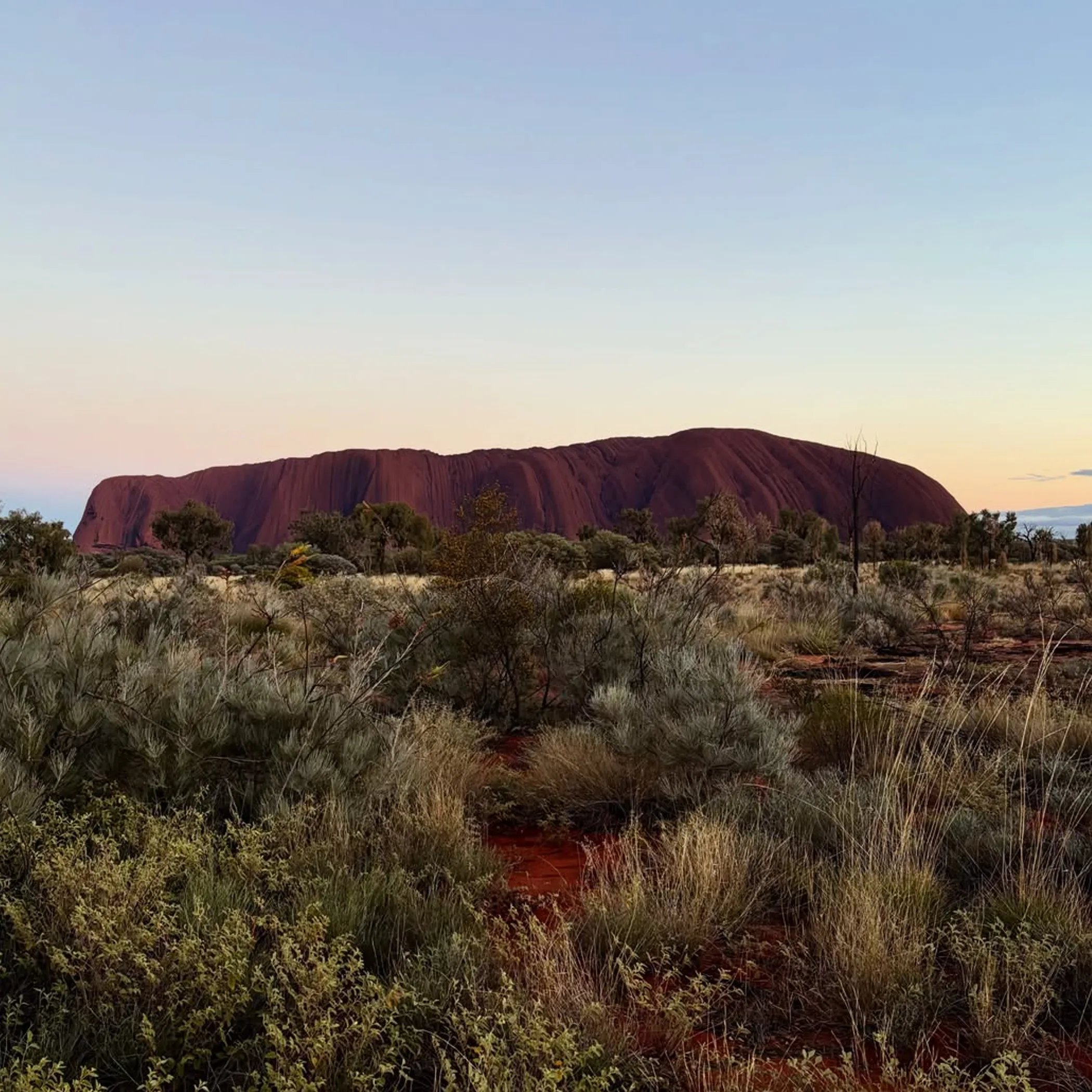
You pack for the extremes at Uluru, not the mean. Mornings and afternoons can be two different things even in a mild month.
I have seen too much linen and not enough common sense in some people’s bags. The gear is not going to be glamorous but it is the difference between a holiday and a lesson in comfort and safety.
Summer: hat with a good brim, light long sleeves, electrolyte tablets, refillable bottle, sturdy footwear, sunglasses and high-SPF sunscreen
Autumn/spring: a small daypack, layers, sun protection, closed shoes and a jumper for first and last light
Winter: beanie, warm jacket, long pants, a thermal for the sunrise, lip balm and moisturiser, closed in shoes
Year round: a phone charger, basic first-aid, reusable water bottle and have your booking details printed off in case reception is poor.
Staying Safe In Extreme Conditions
The trouble is the heat, the sun and the cold of the night, not any complicated navigation of the wilderness. There is a certain order to Uluru as a destination that one does not find on many a bush trip, yet it is easy for that to make you underestimate the environment. In the end the weather has the final say.
The current advice from authorities matters most in hot or unstable conditions. Check the Bureau of Meteorology weather forecasts and warnings and park notices before heading out, especially in summer when heatwaves and storms can affect optimal Uluru visit timing and safe walking windows.
What Most People Get Wrong
The big mistake is starting too late. A few travellers will have their breakfast done, sorted their hats, put the coffee question to rest and located the keys only to discover the pleasant hours for a walk have already passed, October through March being the worst of it.
Then there is the UV index which is not given enough respect. A breeze can make you think you are fine while you are in fact getting roasted; throw in the dry air and open tracks and you are dehydrated before you know it.
Some Safety Rules To Observe
In the warmer months, get out with the sun.
Take along more water than seems necessary.
Have good shoes on, no floppy sandals.
See if there are any tour changes or park closures in effect.
And do not be fooled by an overcast sky into thinking you are in the clear, the desert’s UV is still formidable.
Activities By Season
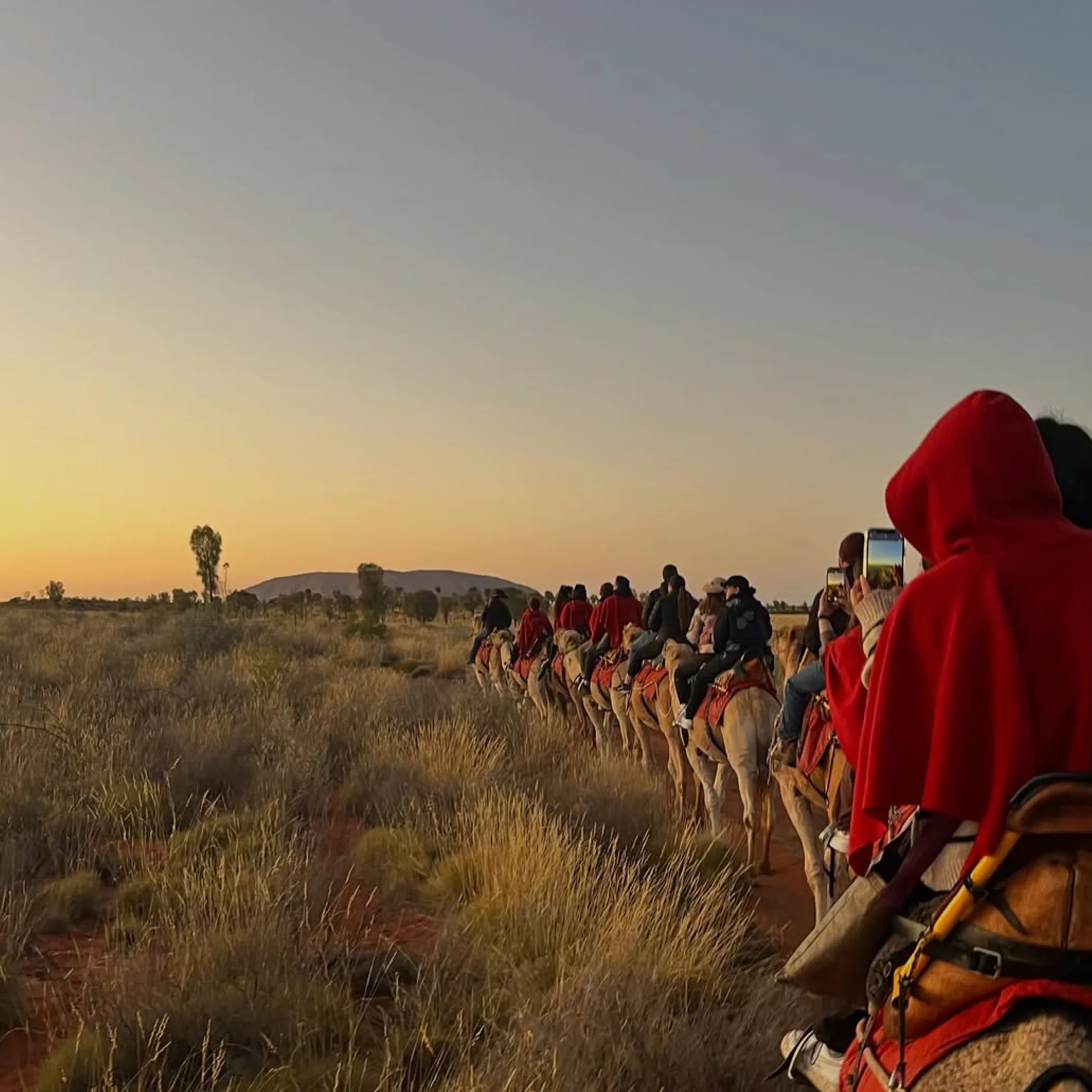
You will find the season puts a different spin on the place, not just in terms of temperature. Whether it is a coach tour, a cultural experience, dining or a spot on the sunrise platform, it is all received differently from one month to the next.
If your itinerary hinges on a particular event, let that set the timing for your visit. You will hear walkers, photographers and families put forward their own case for the best season and they are right to do so.
Best For Walks
For longer stints outdoors you are better off in winter or the shoulder months. The mild to warm daytime temperatures are far more agreeable at the base and viewing areas than the “who left the oven on?” kind of heat of midsummer.
Best For Photography
Clear light and a comfortable dawn are to be had in autumn, winter and early spring. Summer will give you colour in the form of dramatic cloud and storm if you are so inclined, but you have to put up with the heat and the likelihood of plans being scuppered.
Best For Families
April to August is usually the way to go with children who will not be put off by an early start if the weather is not already trying to break them at breakfast. With only a day to spare, make the most of the sunrise and a cultural activity or a walk you can handle, then lay low till sunset.
Crowds, Costs And Availability
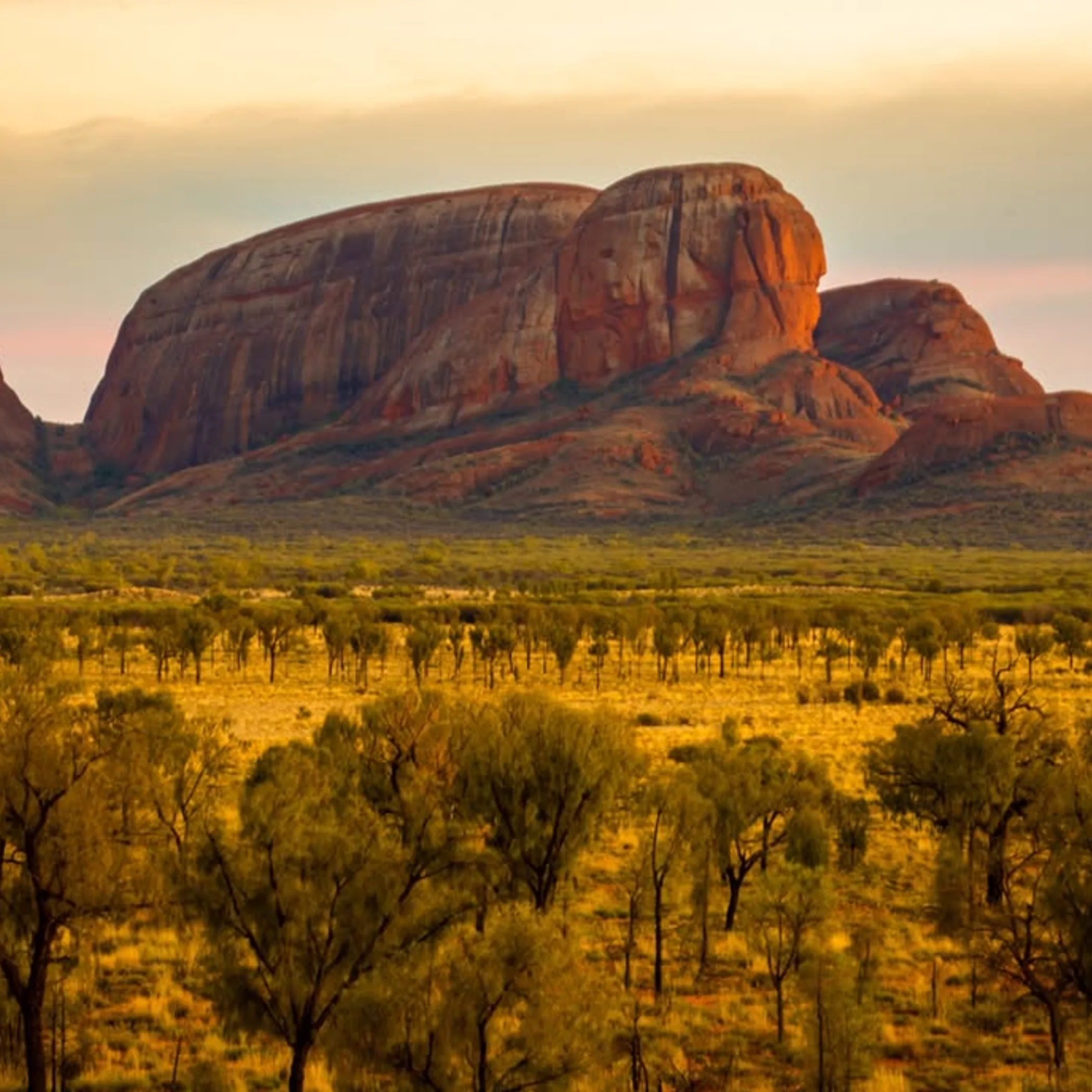
It is not a cheap proposition and what you pay is directly influenced by the weather. The months that are most comfortable draw in the crowds, so your Australian travel filming budget should account for higher prices on premium experiences and bookings at Ayers Rock Resort.
You may find lower prices in the summer but there is an explanation: you are making a trade off. It is worth it if you are organised and have no illusions as to what the season will put in front of you. The shoulder months are where the optimal time to visit is for most, striking a balance between the crowd and the price.
Connellan Airport flights are subject to sharp variations by season and where you come from, and you will pay for food and accommodation commensurate with how remote this is. The Red Centre is not known for its bargain-basement convenience, so put some leeway in your budget.
FAQ
A matter of whether your plan will hold up in reality and what the weather is like by month is what most want to know.
What Is The Best Month To Go To Uluru?
May is often the answer. Days are as a rule comfortable, nights cooler but not as nippy as in midwinter and for walking you could not ask for better. Some would say August or September are as good, provided you have a tolerance for the afternoon warmth and the other visitors.
When To Avoid Uluru?
January is to be shunned if you do not take kindly to the heat, as are December and February to some degree. They can be severe with the UV and the window for safely being outside is much smaller. Not impossible but less forgiving.
How Much Of Uluru Is Buried Underground?
You will see figures bandied about online to the effect that a lot of it is below ground level, an oversimplification for the most part and of no use in planning your trip. The fact is the rock mass is larger than what you see. Leave the geology to Parks Australia and not travel gossip.
Uluru at Night: Is it Cold?
You can count on it. The norm in winter is a cold night with the mercury close to freezing in the early hours. And do not be surprised by the wide gulf between day and night temperatures in the shoulder seasons if one has made the mistake of packing for nothing but sun.
What of Rain, Tours and Access to the Park?
It can have an effect. Tour operators may put a halt to things, or you will find road conditions and viewing access compromised by heavy rain, storms or heat; safety is always a consideration. For that reason, in the run up to your trip it is important to consult the Uluru forecast and any word from Parks Australia or the operator.
Some Parting Advice
For the sake of simplicity, the period from April through September is what one should target. May and the first part of September, as well as August, tend to be where comfort and flexibility are best served. A good rule of thumb for timing a visit to Uluru to its advantage.
Then again, there is no month that is ideal for all. The seasons at Uluru will dictate your trip in every way, from the walks you are able to do and the tours you put in, to the clothing required and the kind of pace you can stand. Make your plans on the actual conditions rather than the postcard image and Uluru will make amends. Leave the weather out of it and it will make its presence known.